





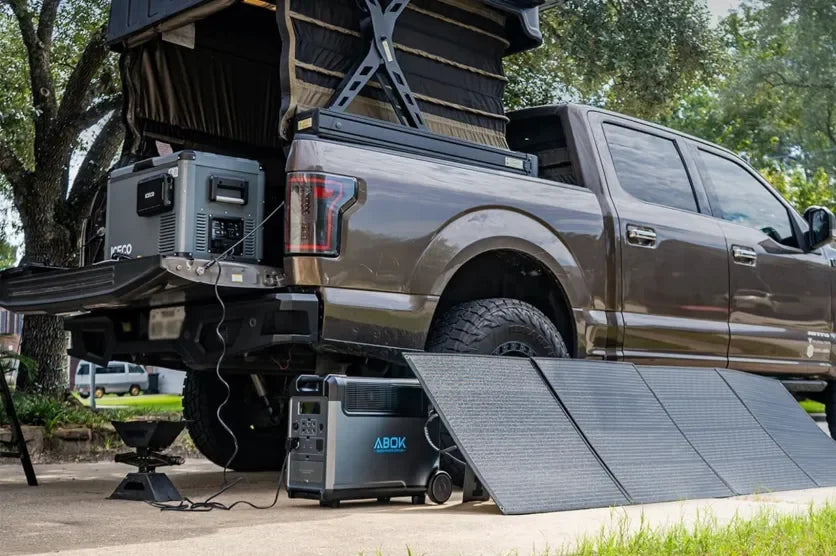

An inverter generator is a fuel-powered portable generator that uses inverter electronics to deliver cleaner, steadier AC power than many regular generators. It is often quieter and more fuel-efficient at lighter loads. It is also better for electronics, RV power, camping trips, and short-term emergency power.
It is not the same as a portable power station, because it still burns fuel and produces exhaust. For home backup power, the right choice depends on where you can safely run it, what you need to power, and whether fuel or battery storage fits your situation better.
How an Inverter Generator Actually Works
A regular portable generator creates AC power directly from an engine-driven alternator. The engine usually has to run at a steady speed to keep the electrical output stable.
An inverter generator adds a control step. It produces electricity, converts it through an internal process, and then uses inverter electronics to create a more stable AC output. Honda Power Equipment explains this as an AC-to-DC-to-AC process that helps produce consistent power.
That design also allows many inverter generator models to adjust engine speed based on demand. If the load is small, the engine can slow down. If the load increases, the engine works harder.
The simple version: a regular generator focuses on making power; an inverter generator focuses on making power and controlling it.
Why the Inverter Design Matters
The biggest benefit is not that an inverter generator can power everything. It cannot. The benefit is that it manages output quality better than many basic open-frame generators.
That matters for phones, laptops, routers, TVs, camera batteries, small appliances, and some RV equipment. These devices still need to stay within the generator’s rated wattage, but cleaner power can make the setup more dependable.
The second benefit is noise control. Because many inverter generators can reduce engine speed under lighter loads, they are often easier to use around a campsite, RV, driveway, or small outdoor work area.
The third benefit is fuel efficiency. If you are only running a few small devices, the generator does not always need to operate as hard as a conventional model.
Inverter Generator vs Regular Portable Generator
| Buying Question | Inverter Generator | Regular Portable Generator |
|---|---|---|
| Best strength | Clean, controlled power | More wattage for the price |
| Noise level | Usually quieter, especially at low loads | Usually louder and more constant |
| Fuel use | Often better at partial load | Often less efficient at light load |
| Electronics | Usually a better fit | Depends on output quality |
| Portability | Often compact and enclosed | Often larger and open-frame |
| Cost per watt | Usually higher | Usually lower |
| Indoor use | Never | Never |
Choose an inverter generator if you care most about quiet operation, clean power, and portability. Choose a regular portable generator if you need higher output at a lower upfront cost and noise is less of a concern.

Where an Inverter Generator Fits Best
RV Power
An inverter generator is a strong fit for RV power because RV users often need a balance of portability, quieter operation, and clean output. It can help run chargers, lights, fans, entertainment devices, and selected RV appliances if the generator is sized correctly.
Air conditioners are the load to check carefully. Many AC units require a higher startup surge than their running wattage suggests, so you should confirm the appliance label and the generator’s surge rating before assuming compatibility.
Camping Trips
For camping trips, an inverter generator makes sense when you need power longer than a battery can provide and you can run the generator safely outdoors. It is useful for charging devices, running small cooking appliances where allowed, powering lights, or supporting a compact camp setup.
Campground rules matter. Some locations restrict generator hours, sound levels, or fuel storage, even if the generator itself is relatively quiet.
Emergency Power
For emergency power during power outages, an inverter generator can keep a few essentials running: phones, lights, a router, a refrigerator, or small medical-support devices if the wattage and safety requirements are met.
It should not be treated as an uninterruptible power supply. If continuous power is required for medical equipment, check the equipment manufacturer’s instructions and consider a dedicated backup plan with professional guidance.
Can an Inverter Generator Handle Home Backup Power?
An inverter generator can support home backup power, but only within its rated output and only with proper safety planning.
For basic outage needs, it may cover a refrigerator, lights, phone charging, internet equipment, and a few small devices. For heavier loads, the answer becomes more complicated. Central air conditioners, electric water heaters, well pumps, electric ranges, and multiple appliances running together may exceed the capacity of many portable inverter generators.
If you want to connect a generator to home circuits, use a proper transfer switch or professionally installed connection. The American Red Cross advises having an electrician install a transfer switch when permanently connecting a generator to home wiring.
A generator is not just a product decision. For home backup power, it is also a load-planning and installation decision.

A Better Way to Size Your Power Needs
Do not start with “What size generator should I buy?” Start with “What do I actually need to keep running?”
Use three buckets:
| Load Bucket | Examples | Why It Matters |
|---|---|---|
| Must-run loads | Refrigerator, router, phone, lights | These define your emergency power baseline |
| Surge loads | Refrigerator, pump, air conditioner, power tool | These may need extra startup watts |
| Comfort loads | TV, coffee maker, extra chargers | These are useful but easier to cut |
Then use this formula:
Required output = total running watts + largest startup surge + safety margin
Running watts are the watts a device needs during normal operation. Startup watts are the short burst some motors and compressors need when they turn on.
This is where many buyers make mistakes. They add up running watts but forget surge watts. Or they buy for one appliance, then plug in several more devices during an outage.
When a Portable Power Station Is the Better Fit
A portable power station is a battery-based system. It stores electricity in a battery, then uses an inverter to provide AC power. Unlike a fuel-powered inverter generator, it does not create exhaust while operating.
That makes portable power stations better for indoor backup, apartments, bedrooms, home offices, routers, laptops, lights, and quiet overnight use. They can also work well with solar panels when you want solar power for recharging, depending on the model and charging conditions.

Battery capacity is the key number to check. A larger battery can usually run small loads longer, but runtime still depends on the watts your devices draw. Some power stations also support expansion batteries, which can increase stored energy for longer outages.
Battery types, solar input limits, AC output, charging speed, and pass-through or UPS-style features vary by model. Do not assume every power station works the same way. If you are comparing battery backup options, ABOK’s portable power stations and home backup power station options are good places to compare the category against fuel-powered generators.
Fuel Generator or Battery Power Station?
| Situation | Better Starting Point |
|---|---|
| Outdoor power for long use with refueling | Inverter generator |
| Indoor backup during power outages | Portable power station |
| RV power where fuel is allowed | Inverter generator or power station |
| Quiet overnight electronics backup | Portable power station |
| Solar charging with solar panels | Portable power station |
| High-watt outdoor tool use | Inverter generator or regular generator |
| Sensitive indoor spaces | Portable power station |
For long-term backup planning, many households use more than one layer. A portable power station can handle quiet indoor essentials, while a fuel-powered generator can serve outdoor, higher-runtime needs when conditions allow.

Carbon Monoxide Safety Comes First
An inverter generator may provide cleaner electrical output, but it still produces engine exhaust. That means carbon monoxide is a real risk.
The U.S. Consumer Product Safety Commission warns that portable generators should be used outside and kept away from windows, doors, vents, and other openings. The CDC also warns not to use portable generators indoors.
Follow these rules every time:
- Run the generator outdoors only.
- Keep it away from windows, doors, vents, garages, basements, and crawlspaces.
- Point exhaust away from people and living areas.
- Use working carbon monoxide alarms.
- Keep the generator dry and follow the manual.
- Do not connect it to home wiring without a proper transfer switch.
Clean power does not make a fuel-powered generator safe indoors.
FAQ
Is an inverter generator the same as a portable power station?
No. An inverter generator burns fuel to create electricity, then uses inverter electronics to control the output. A portable power station stores electricity in a battery and can operate indoors because it does not produce exhaust while running.
Is an inverter generator good for power outages?
It can be good for power outages if you can run it safely outdoors and your essential loads fit within its rated output. It is best for selected devices, not automatically for whole-home backup.
Can an inverter generator run an air conditioner?
Sometimes. It depends on the air conditioner’s running watts, startup surge, and the generator’s rated and surge output. Always check the appliance label and generator specifications before using them together.
Is an inverter generator better for reliable power?
It can provide more controlled output than many regular portable generators, which makes it useful for electronics and RV power. Reliable power still depends on correct sizing, safe operation, fuel availability, and maintenance.
Conclusion
An inverter generator is a portable generator designed for cleaner, quieter, more controlled fuel-powered electricity. It is a strong choice for RV power, camping trips, outdoor work, and selected emergency power needs. It is not the right tool for indoor backup or every home load.
If you need quiet power indoors, compare it with a portable power station. If you need outdoor runtime with refueling, an inverter generator may be the better fit.
Share:
How Big of a Generator to Run a House?
How Much Is a Home Generator?